.svg)
Metal
Measure and control temperature across metal processing, from forging, hardening and rolling to casting, welding and galvanisation.

Case Studies & factoids
Solutions that worked
Deep Drawing
- Dye and sheet metal temperatures measured continuously for stable process control
- Process temperature: 200°C to 350°C
Drop Forging
- Semi-finished workpieces must reach the required forging temperature before forming
- Surface temperature is monitored before forming, after forging, and before storage
- Process temperature: 700°C to 1,250°C
Material Monitoring
- High process temperatures mean production is almost fully automated
- Workpieces assessed immediately after removal from the mould
- Supports material evaluation and reject control
- Process temperature: 150°C to 900°C
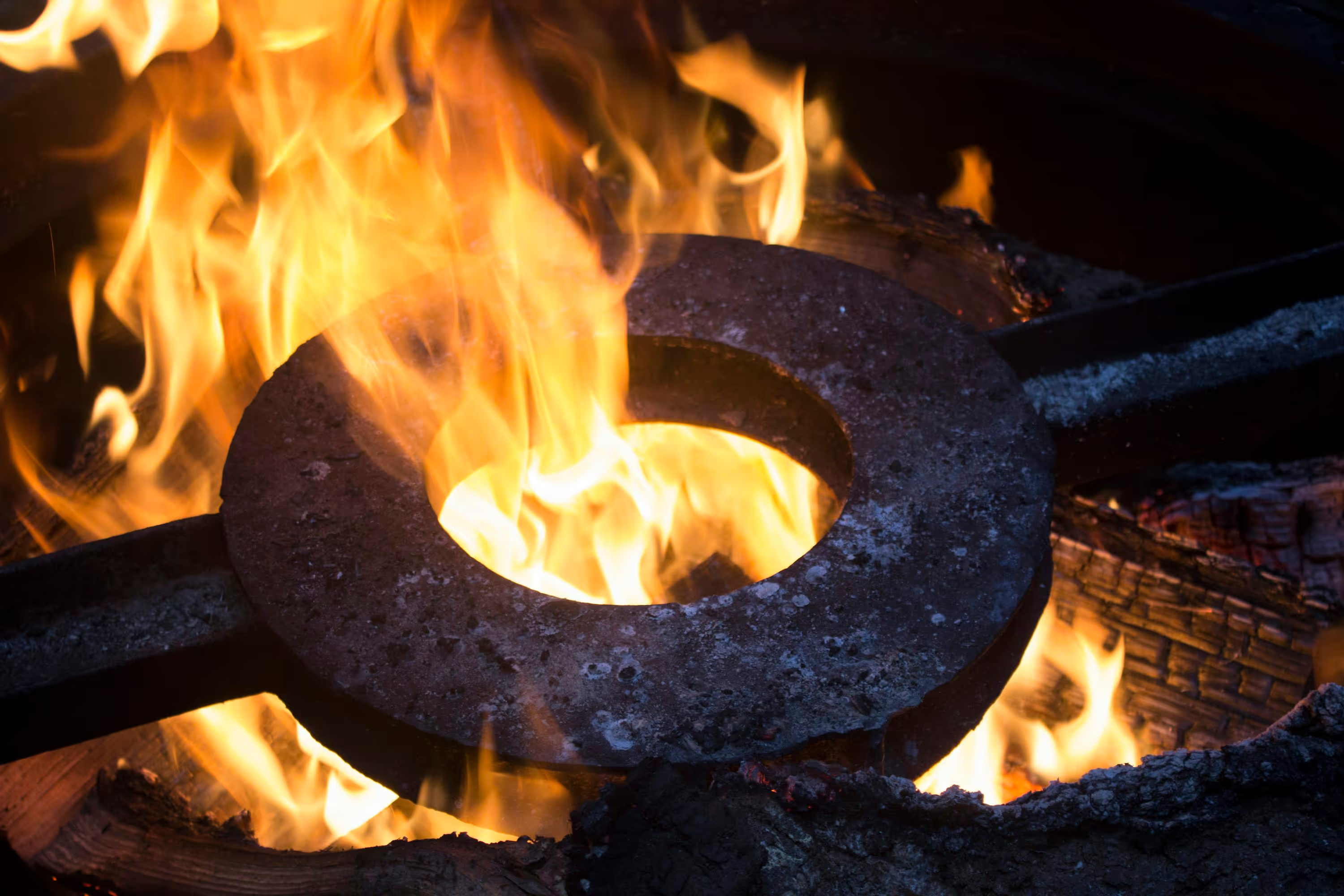
Induction Hardening
- Target area heated to hardness temperature, then immediately quenched
- Strict adherence to a defined time–temperature profile achieves the required structural composition
- Process temperature: 700°C to 1,100°C
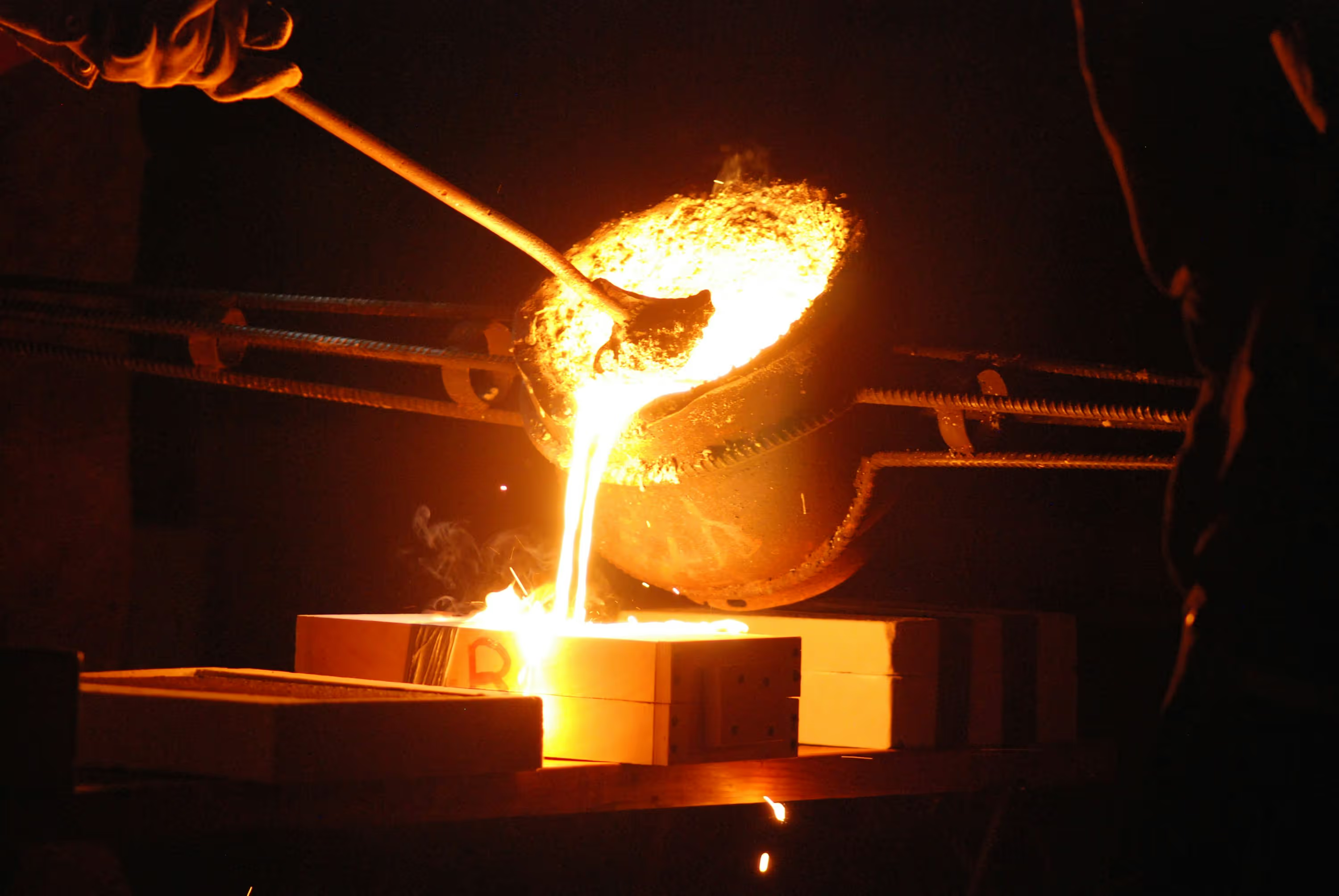
Induction Welding
- Rim temperature recorded after the inductor and before the squeeze rollers
- Continuous monitoring controls joint quality in induction-welded pipe production
- Process temperature: 950°C to 1,450°
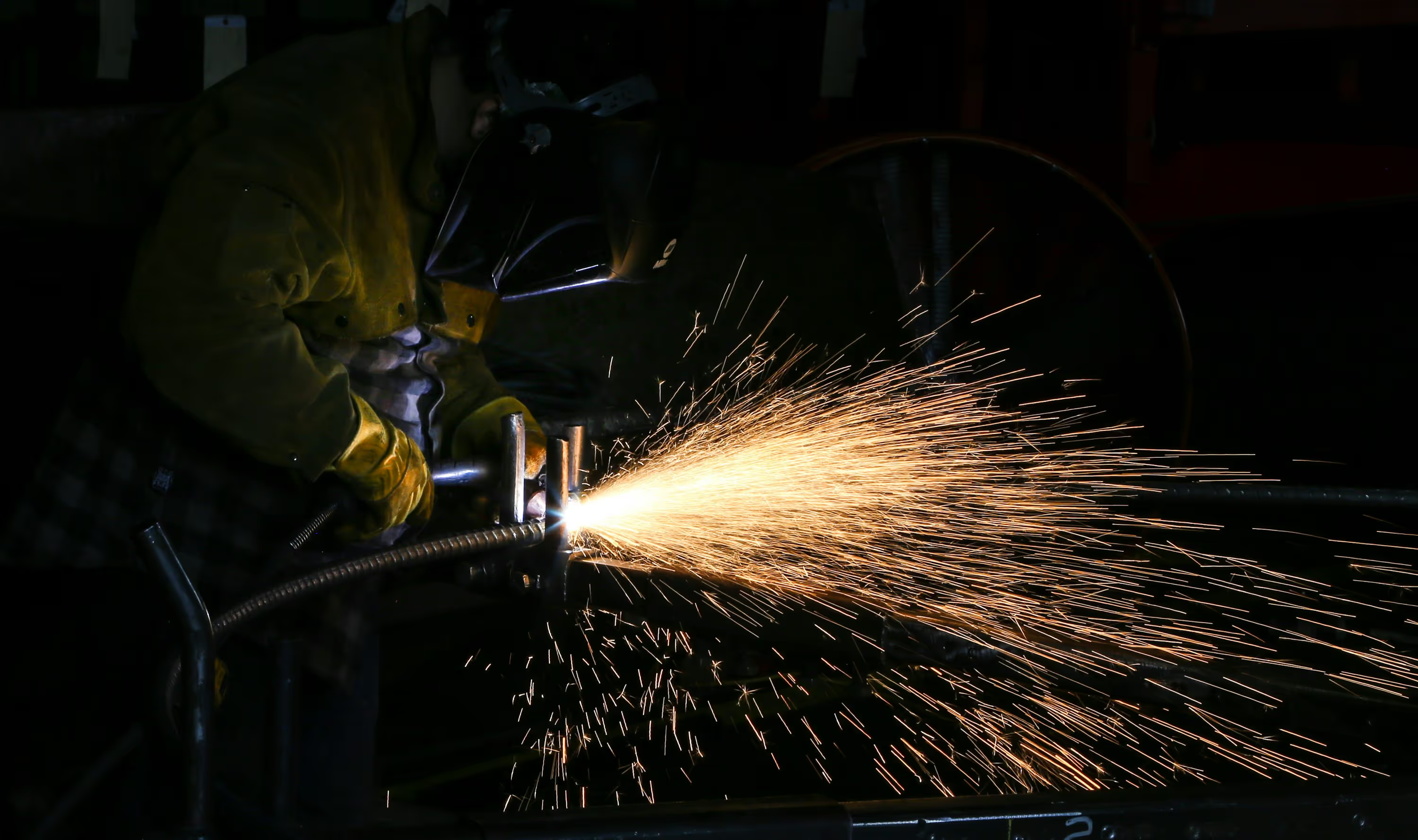
Galvanization
- Components are heated to the target temperature before entering the galvanising bath
- Optimises electrochemical reactions for copper and nickel coating processes
- Process temperature: 150°C
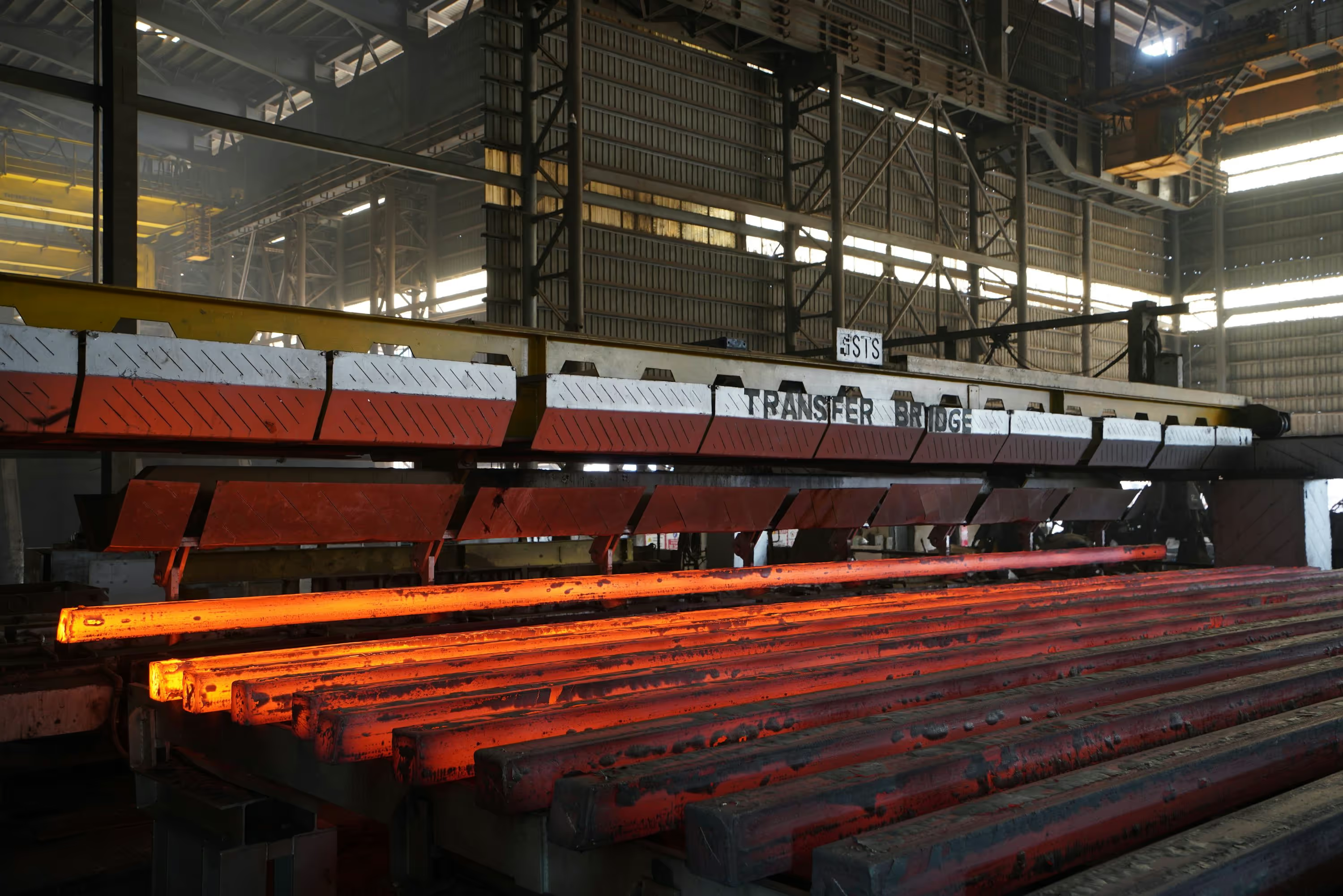
Continuous Casting
- Increasing demands on casting lines require extensive temperature monitoring
- Early detection of deviations prevents costly aborted pours at the point of origin
- Process temperature: 800°C to 1,000°C
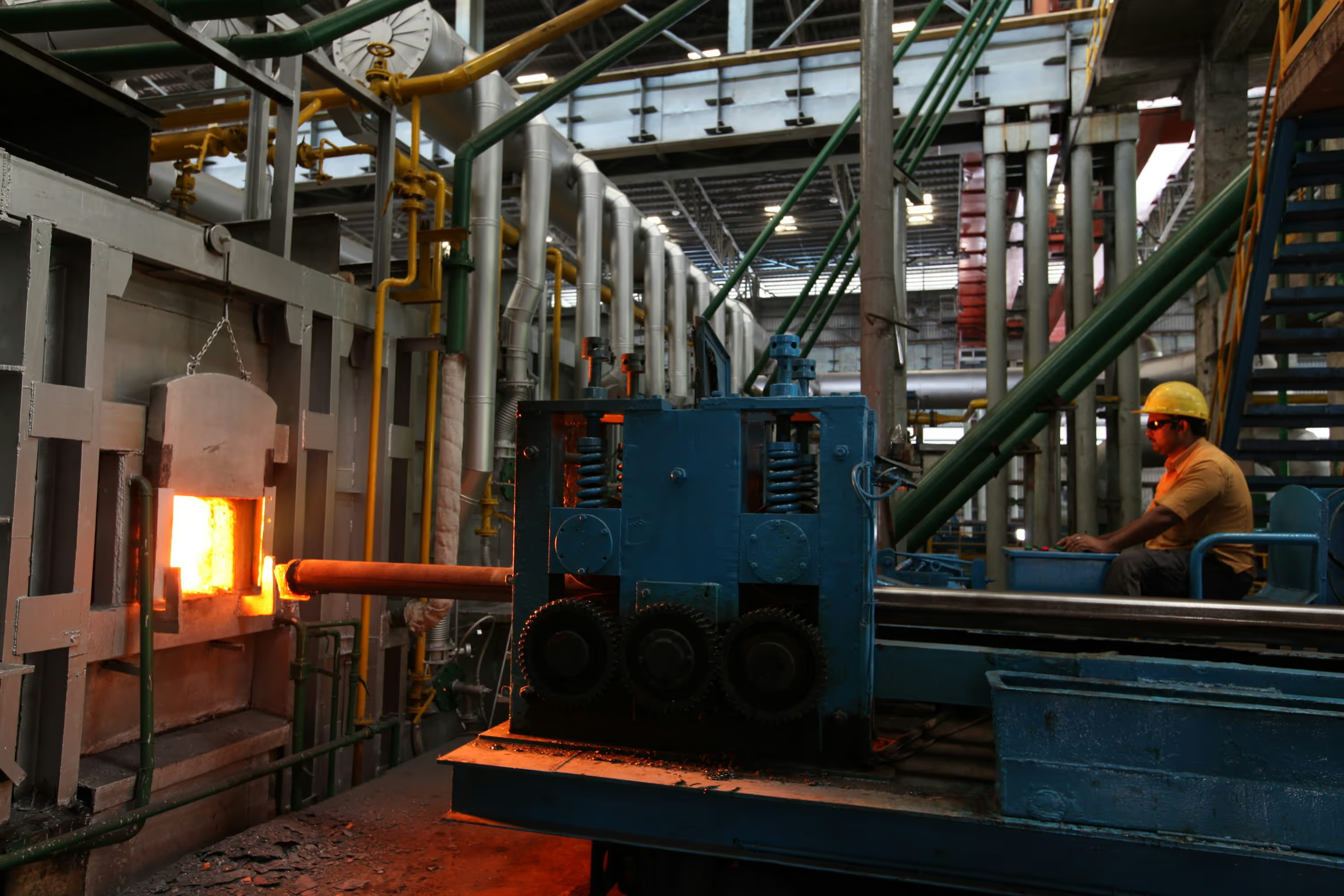
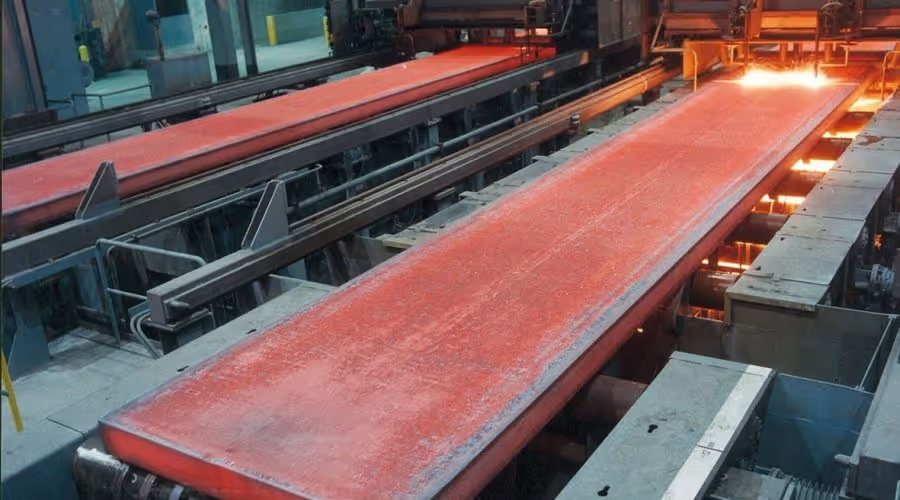
Rolling Mill
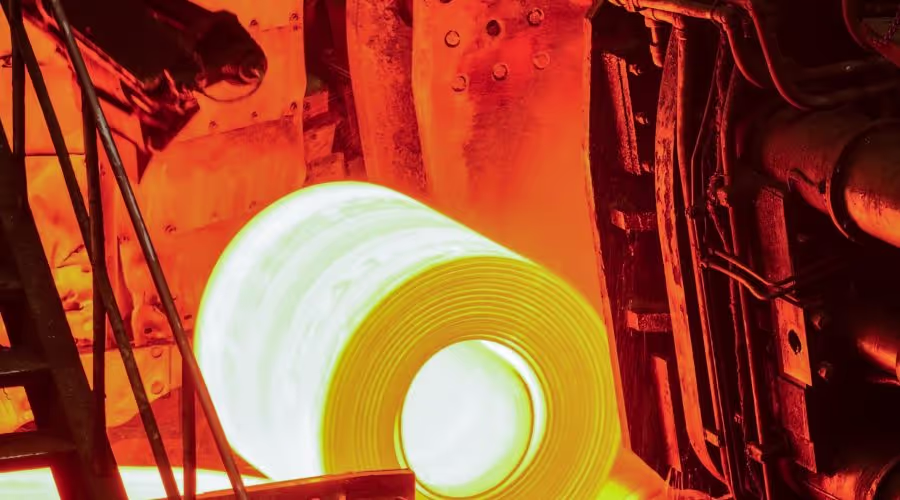
- Forming temperature is measured continuously between individual rolls for process control and quality assurance
- Two devices recommended: fast pyrometer for sheet temperature; ratio pyrometer for cooling chamber and wire temperature
- Slabs cooled from approx. 1,250°C in racks; temperature measured between rollers during cooling
- Process temperature: 700°C to 1,100°C
Slag Detection
- Slag — non-metallic smelting residue — must be minimised to protect end product quality
- Optris PIX Connect software measures slag percentage using infrared cameras with 7.9 μm spectral sensitivity
- Residues skimmed off where necessary
- Process temperature: 1,250°C to 1,500°C
Casting Process
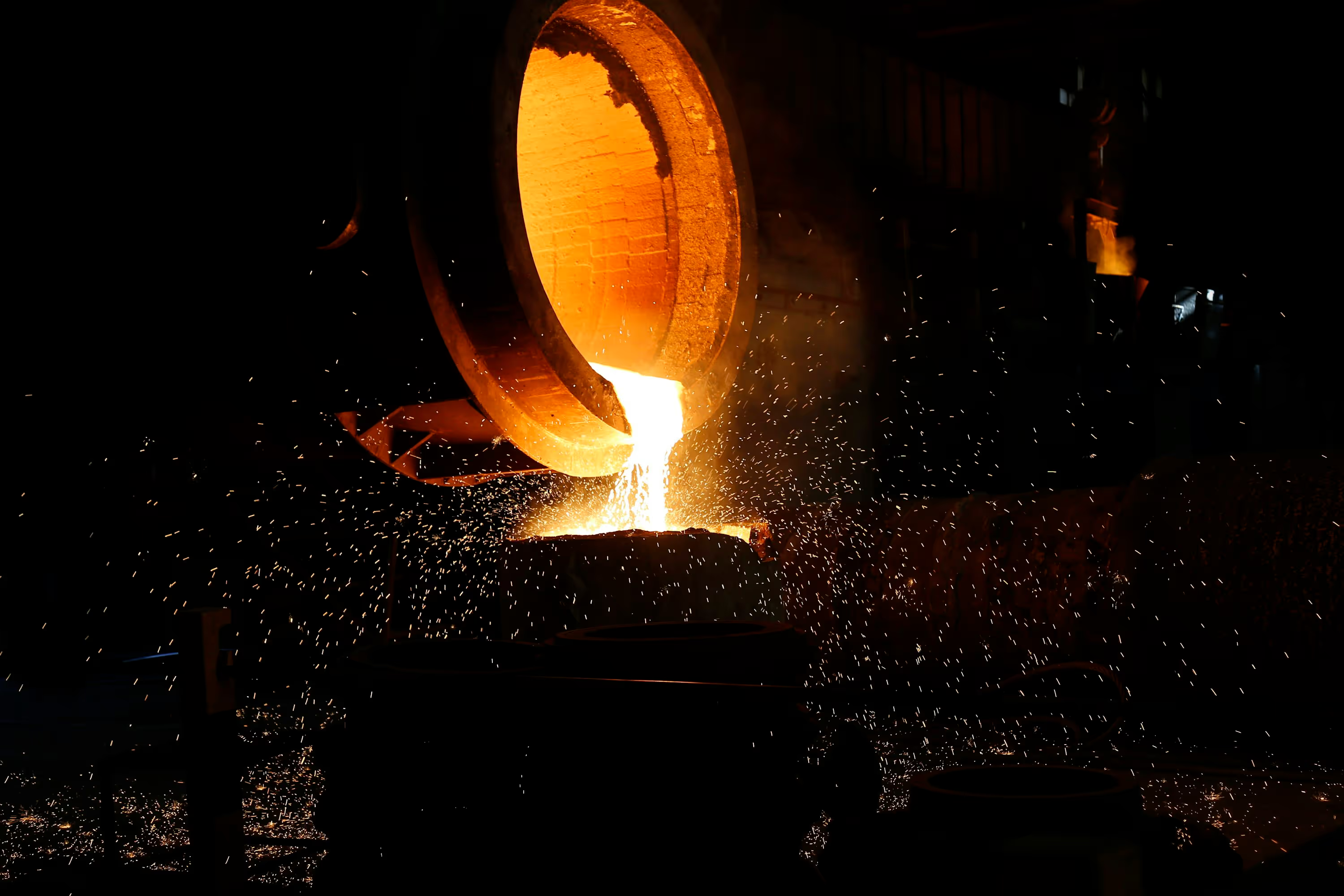
- Liquid material poured into moulds; temperature recorded at the moment of casting
- Thermal data influences the cooling phase, which determines final product quality
- Process temperature: 1,250°C to 1,600°C

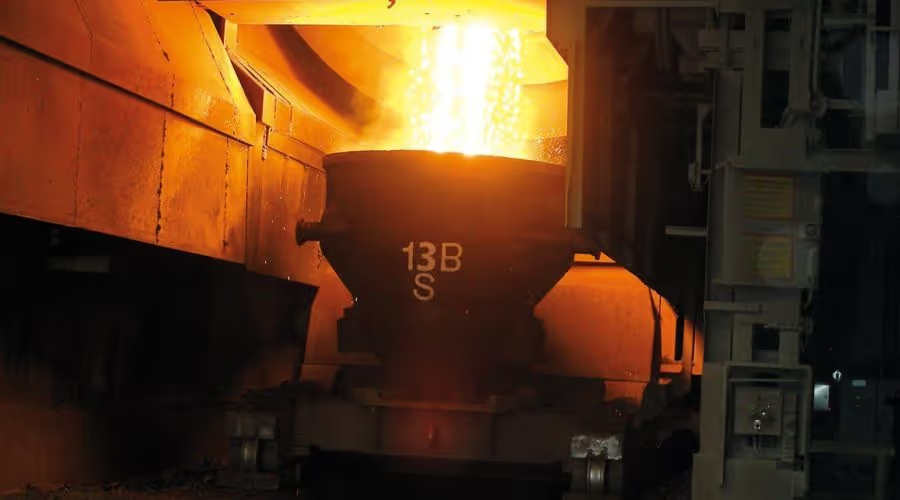
Vessel Safety
- Steel transported in torpedo wagons, slag ladle cars, and smelting ladles at approx. 1,500°C
- Even fireproof-lined vessels risk breaches at these temperatures — threatening personnel and causing million-euro damage
- Thermal imaging cameras monitor vessels and detect temperature differences that signal potential breaches
- Process temperature: 300°C to 600°C