Electronics
Detect heat anomalies and validate thermal performance across electronic components, circuit boards, and solar modules using non-contact infrared measurements down to 28 µm.
Case Studies & factoids
Solutions that worked
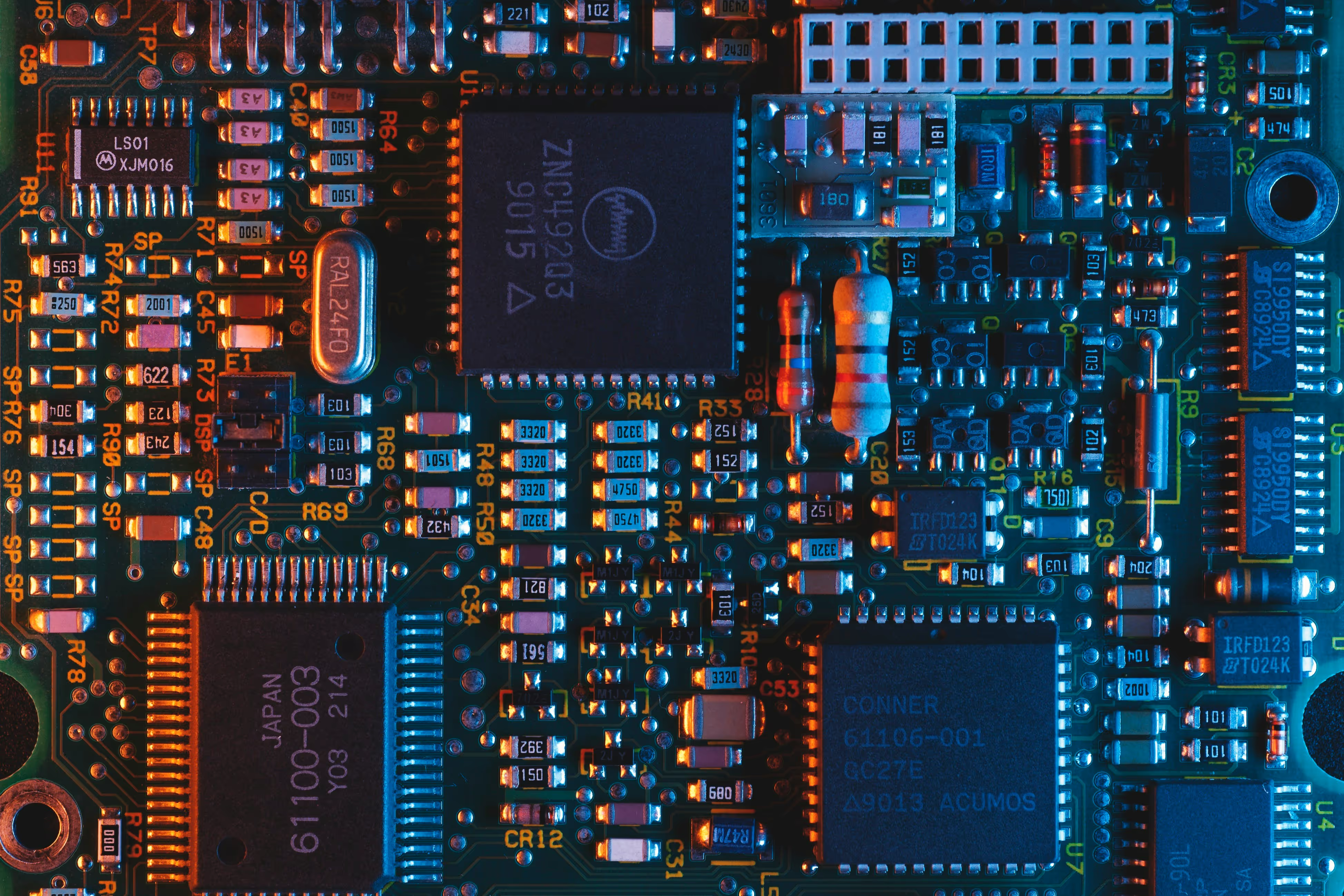
Component Inspection
- Detects measurement spots down to 28 µm using infrared cameras with microscope optics
- Checks single components and junctions for hot spots and thermal interaction
- Identifies defective components, incorrectly dimensioned circuit paths, and poorly soldered joints
- Measures temperatures across semiconductors, printed circuit boards, and entire assemblies
- Quick, precise, and non-contact, critical for electronics manufacturing
- Process temperature: 30°C to 120°C
Design Validation and Thermal Modelling
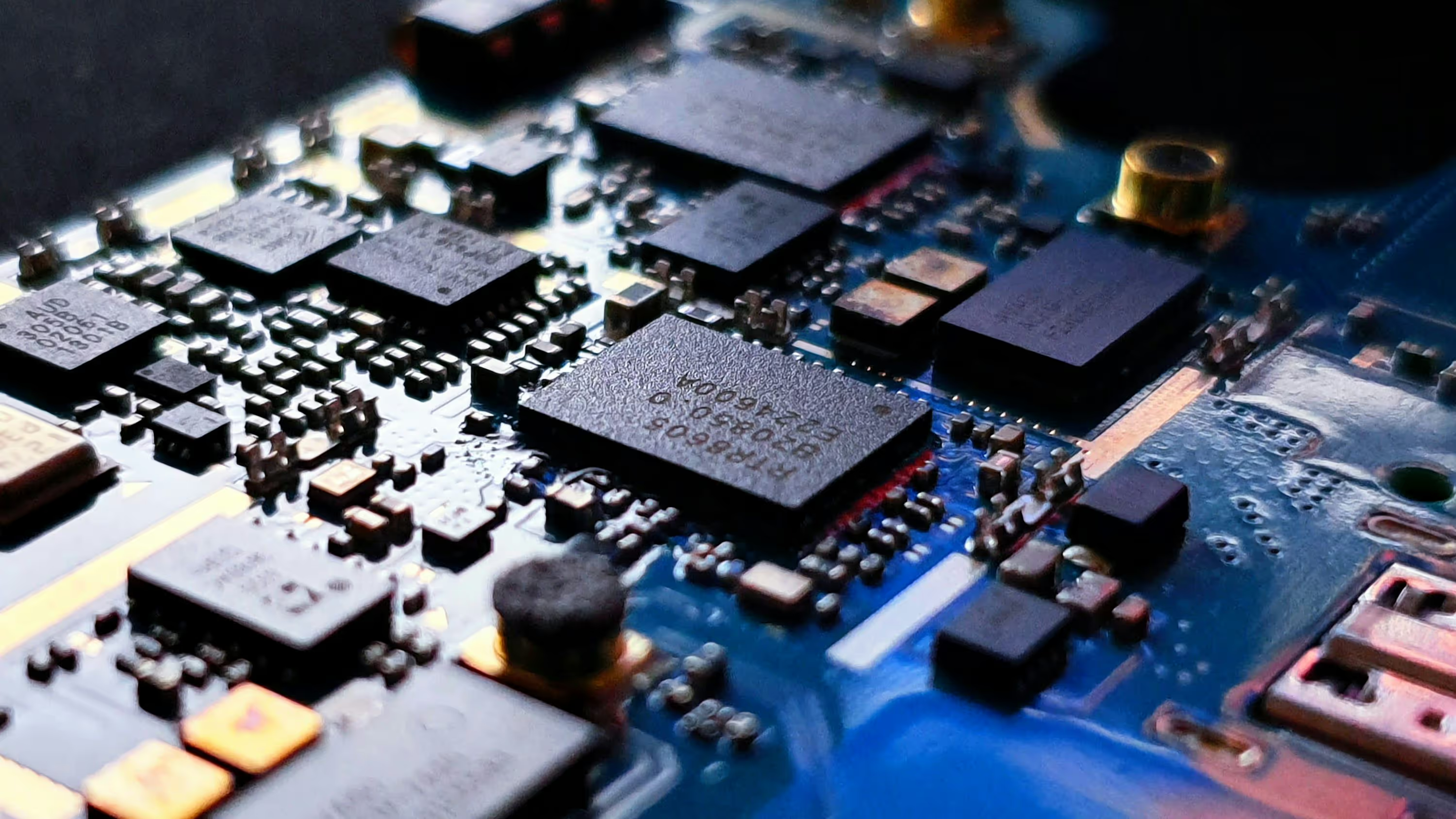
- Verified thermal model calculations against prototype measurements using infrared cameras
- Identified components consuming excessive energy early in circuit design
- Detected mutual interference between components on the board
- Fed measurement discrepancies back into simulations to improve accuracy
- Inspected incoming assemblies from external suppliers — full batch or random sampling
- Identified faulty components and assemblies during burn-in tests
- Process temperature: 30°C to 120°C
String Soldering
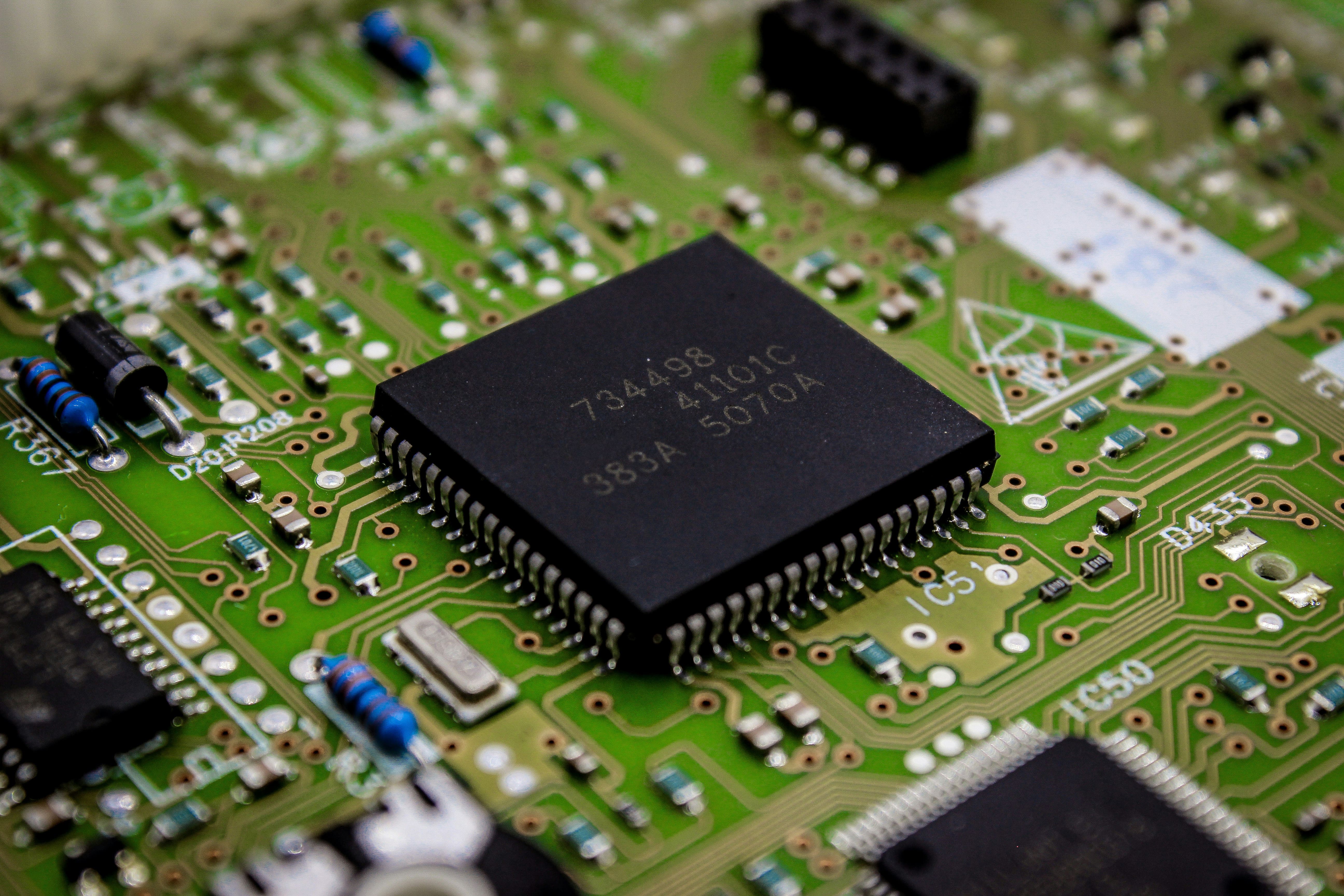
- Captures temperature on the silicon surface connected to the braze point during string soldering
- Measures the homogeneity of soldering to ensure reliable and efficient assembly
- Detects leakage current at defective parts using Illuminated Lock-In Thermography
- Identifies local hot spots caused by charge separation in defective solar cells
- Ensures quality control across finished solar cell modules